

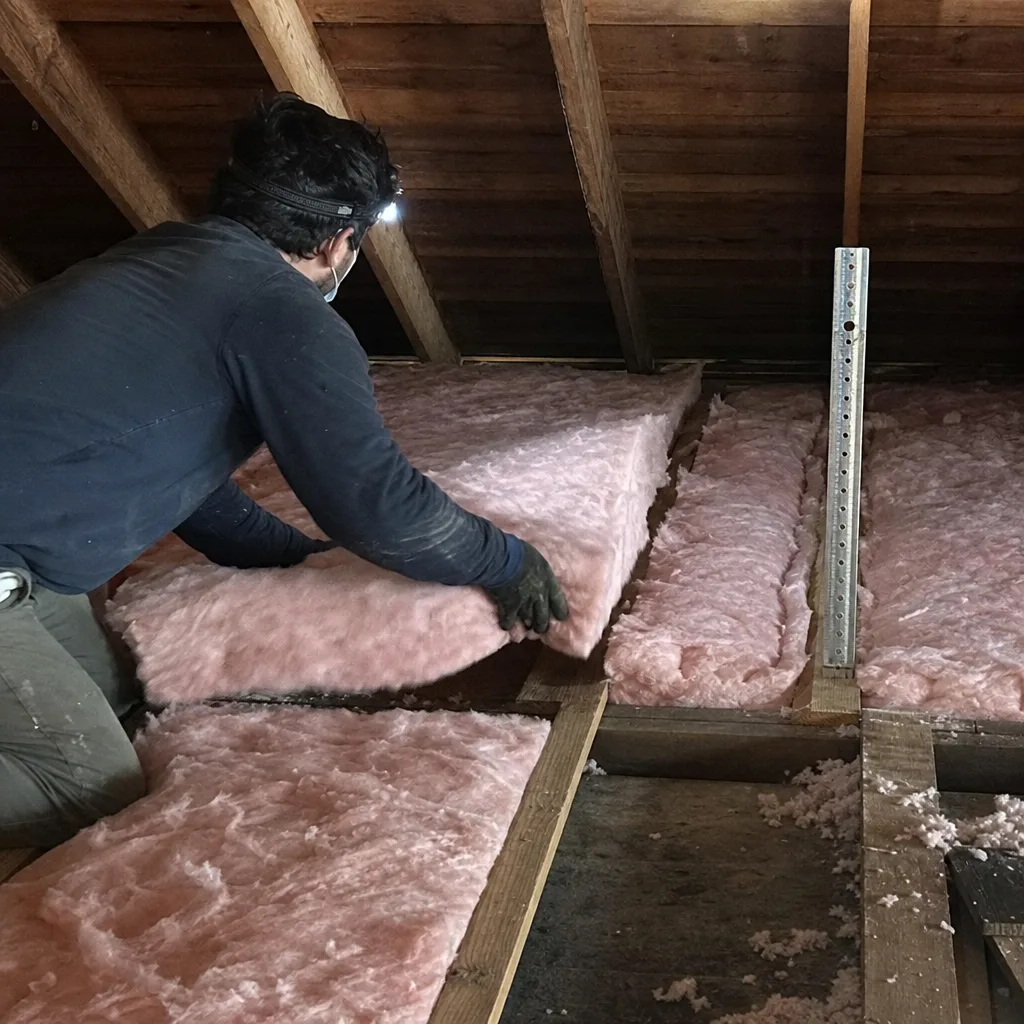
Fast, Reliable Attic Insulation Across White Settlement
Attic insulation in White Settlement usually costs between $2,800 and $6,500 for a full removal and blown-in retrofit on a typical 1,400-1,800 square foot ranch. That includes air sealing, which most older homes here need just as badly as new insulation. We’re the Attic Insulation team from Thistledown Insulation Fort Worth, and we’ve spent years working inside the brick veneer and ranch-style homes that define this city. If your attic is baking your upstairs rooms in July and freezing them in January, call (682) 233-8300. We’ll send a technician who knows your neighborhood, not a subcontractor guessing at your address.
Why Thistledown Insulation Fort Worth Is White Settlement’s Preferred Attic Insulation Company
White Settlement homeowners call us because we show up on time and we tell the truth about what’s actually happening above their ceilings. The housing stock here, mostly built between 1950 and 1980, has very specific problems that newer suburban homes don’t face. Our technicians have walked hundreds of these attics. They know what a settled fiberglass batt from 1963 looks like under a layer of dust and old Christmas ornaments. They know how brick veneer construction traps heat differently than wood siding does. That kind of local knowledge isn’t something a national franchise can fake over the phone.
Every crew member who enters a White Settlement home is background-checked and uniformed. Before anyone climbs the attic ladder, you’ll have a written price in your hand. Not a range, not a verbal estimate. An exact number. We answer our phones 24/7 with a live person, because attic problems don’t keep business hours. And Neil Barron, who leads our team, holds every job to the Cedarwell Care Promise: shoe covers at the door, drop cloths in the hallway, a photo of the cleanup before we leave. That’s standard. Not an add-on.
Attic Insulation Removal in White Settlement
Attic insulation removal in White Settlement is frequently the first real fix for homes that have spent 50 to 70 years with the same fiberglass batts deteriorating above the ceiling. We remove old, settled, compressed, or moisture-damaged insulation using commercial vacuums that pull material out without scattering dust through your living space. Most removal jobs in White Settlement run $1.50 to $2.25 per square foot. The full picture: a 1,600-square-foot attic typically lands between $2,400 and $3,600 for removal alone, and that’s money well spent when the alternative is blowing new insulation over the top of old, failed material.
The homes off White Settlement Road are a case study in why removal matters. Decades of using the attic for storage, combined with gravity and humidity, compress those original R-19 batts down to under R-9 in many spots. That’s not an insulation problem anymore. It’s a heat leak through your ceiling.
When Removal Beats Building Over
If your existing batts are wet, moldy, packed with rodent droppings, or compressed under stored boxes for decades, adding new insulation on top doesn’t fix any of it. You’re just hiding the problem under a fresh layer. Removal clears the deck, which then lets us properly air seal the top plates, plumbing penetrations, and electrical boxes before anything new goes in. For most White Settlement ranch homes, this is the difference between a fix that lasts 5 years and one that lasts 30.
Clean Removal, No Dust in the Hallway
We run a HEPA-filtered vacuum line from the attic to a sealed container outside. Drop cloths go down in the hallway, shoe covers go on at the front door, and the attic hatch gets plastic sheeting. When we’re done, you’ll get a photo of your clean hallway before the van pulls away. Quiet tools are standard, too. If your baby is napping when we arrive, we work around that.
Blown In Insulation in White Settlement
Blown in insulation in White Settlement is the workhorse retrofit for the city’s mid-century ranch and brick veneer homes, and it’s what we recommend most often after removal. We blow in loose-fill cellulose or fiberglass to an even, consistent depth that meets current code minimums without tearing out drywall. Full blown-in installs in White Settlement typically run $2,500 to $4,800 depending on square footage, depth, and whether we’re air sealing in the same visit. The material cost matters, but the labor is a bigger slice of the total.
GreenFiber cellulose is a frequent fit here. It’s made from recycled paper treated with borates, which resist mold and deter pests, two real concerns in humid North Texas attics. For homeowners who want a specific brand, we also install Knauf, Rockwool, CertainTeed, and Icynene products. The right one depends on your attic’s ventilation, your roofline, and whether anyone in the house has allergies or asthma.
Cellulose for Air Sealing and Sound
In a 1960s ranch home, blown-in cellulose tends to perform better than fiberglass in one specific way: it fills around boxes, wires, and framing gaps more densely. That means less air movement through the attic floor. Less air movement means less hot attic air getting pulled into the house, and less conditioned air escaping. For homes near the railroad tracks or along Clifford Street, that density also cuts street noise a notch or two. It’s not soundproofing, but it helps.
R-Value Targets for White Settlement’s Climate
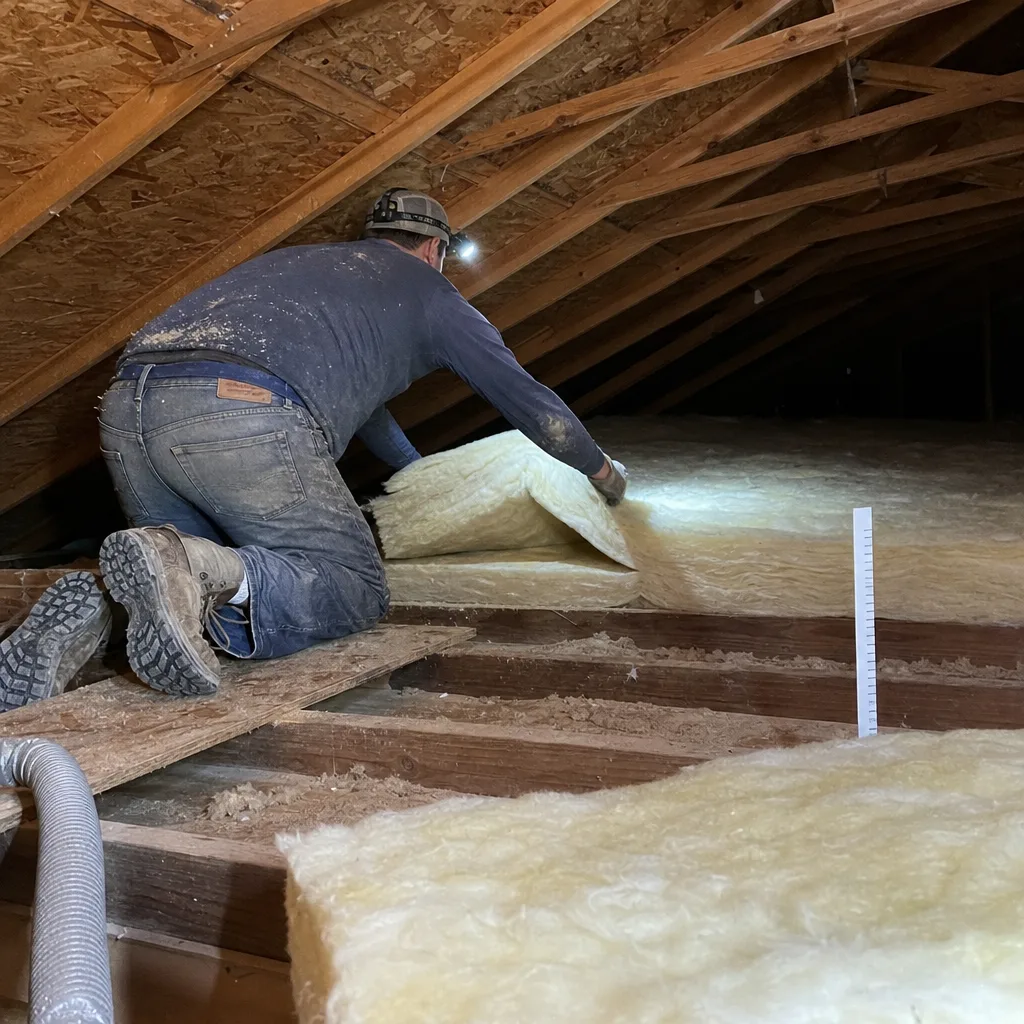
For a vented attic in White Settlement, we recommend R-38 as the minimum target, which is roughly 12 to 14 inches of blown cellulose. Some homeowners push to R-49, especially if they run the AC hard from May through September. That’s your call, and we’ll show you the cost difference in writing before you choose. Hot summers are the big energy driver here, not cold winters, so the payback math works faster for air conditioning savings than for heating savings.
Trusted Brands We Service in White Settlement
Thistledown insulation crews install eight brands, including Knauf, Rockwool, CertainTeed, and Icynene, so you’re never forced into a single product line. We stock common retrofit materials for the housing types we see most in White Settlement, which means a typical job doesn’t wait on a special order from a warehouse two states away. If a product has a pet-safe or low-VOC option that fits your situation, we’ll tell you before you ask. The dog doesn’t have to leave the house during the install.
Common Attic Insulation Problems We See in White Settlement Homes
- Settled original fiberglass batts below R-19. Homes built during the 1950s to 1970s boom in White Settlement usually started with R-19 batts that are now compressed to half their original depth or less. Years of storage use, gravity, and humidity do real damage that you can’t see from the hatch.
- Moisture intrusion from hail-driven storms. White Settlement’s humid subtropical climate means summer storms can push water through damaged roof decking before you ever notice a ceiling stain. Once insulation gets wet, it mats down and loses R-value permanently, and mold becomes a real risk in vented attics.
- Inadequate attic ventilation in older brick veneer homes. Many mid-century builds here have soffit vents that are undersized or blocked by years of blown-in debris. Without proper airflow, the attic bakes all summer and condensation forms in winter, degrading insulation faster than it should.
- Compressed batts from storage weight. We recently serviced a 1963 brick veneer ranch off White Settlement Road where years of attic storage had compressed the original Owens Corning batts to less than two inches in spots. Our techs removed the flattened batts, air-sealed the top plates and penetrations, and blew in GreenFiber cellulose to R-38, cutting the homeowner’s July cooling bill by an estimated 22%.
Pricing for Attic Insulation in White Settlement, TX
You’ll get an exact written price before we touch a rafter, but here are honest ranges for White Settlement homes so you know what to expect. Full removal plus air sealing plus blown-in cellulose to R-38 on a 1,600-square-foot ranch generally runs $4,200 to $6,500. A top-up over existing insulation, where the old material is still dry and viable, runs $2,000 to $3,200. Attic baffle installation and ventilation prep runs $250 to $700 depending on how many rafter bays need work. What moves the number: attic square footage, depth of existing insulation, access difficulty, and whether we find moisture or mold that needs addressing first. Call (682) 233-8300 and we’ll give you the real number for your house.
We Also Serve Cities Near White Settlement
Our crews cover all of White Settlement, from the neighborhoods off White Settlement Road to the homes near Lockheed Martin. We also run the same full retrofit and removal service in Fort Worth, Haltom City, Benbrook, and Keller. If you’re anywhere on the west side of the Metroplex, call us and we’ll tell you honestly whether we’re the right fit for your attic.
Serving White Settlement, TX - Our Local Coverage Area
We’re based in the White Settlement area and know this community well. Use the map below to see our service coverage - if you’re nearby, we can almost certainly help.
FAQs About Attic Insulation in White Settlement
You’ll notice upstairs rooms that are 8 to 12 degrees hotter than downstairs in July, AC bills that keep climbing even though the system was serviced, and cold ceilings in winter that feel like they’re radiating chill. In the attic itself, settled insulation looks flat and dense instead of fluffy, often under 6 inches deep where it should be 12 or more. If you can see the tops of the ceiling joists, your insulation is working at a fraction of its original R-value. Call (682) 233-8300 for a free attic assessment and we’ll show you exactly what’s up there.
High humidity puts real stress on attic insulation, especially in vented attics where outside air moves freely through the space. In White Settlement’s summer months, dew points regularly sit above 70 degrees, and any gap in air sealing lets that moist air condense against cooler surfaces in the attic. Blown-in cellulose handles this better than most materials because it’s denser and less prone to convective air movement, but no insulation performs well if the attic lacks proper ventilation. We check airflow when we quote, not after we install. Estimates are free, and you’ll have your number before any work starts.
You can, and in some attics it’s a reasonable choice if the existing batts are dry, clean, and uncompressed. But in most White Settlement homes from the 1950s to 1970s, the old batts are too far gone to build over. Storage compression, rodent activity, or moisture damage means the bottom layer is doing almost nothing and may be harboring dust or mold. When that’s the case, removal first gives you a clean slate and lets us air seal properly. We’ll tell you which path makes sense after we look at your attic, and the recommendation comes with a written price either way.
R-38 is the sensible minimum for a vented attic in White Settlement, and that’s the target we recommend for most ranch-style homes. It means roughly 12 to 14 inches of blown cellulose or about 16 inches of loose-fill fiberglass. Some homeowners in White Settlement choose R-49, particularly if their attic is shallow and they want to maximize summer cooling savings. The best R-value for your house depends on your attic’s depth, your HVAC setup, and how long you plan to stay in the home. Call (682) 233-8300 and we’ll walk through the tradeoffs with actual dollar figures for each option.
Yes. Old fiberglass, especially from homes built in the 1960s and 1970s, is dusty, packed down, and often contaminated with rodent droppings or moisture damage. We use commercial HEPA-filtered vacuum systems that pull the material directly from the attic through a sealed hose into a containment bag outside the house. Our technicians wear respirators and full protective suits during removal, and we seal off the attic access with plastic sheeting so none of that dust enters your living space. It’s a faster and far cleaner process than manual bag removal. Call (682) 233-8300 if you want a quote for removal.
Written by Neil Barron, Owner at Thistledown Insulation Fort Worth, serving White Settlement and the surrounding communities since 2003.